
Post-weight Loss Cosmetic Surgery

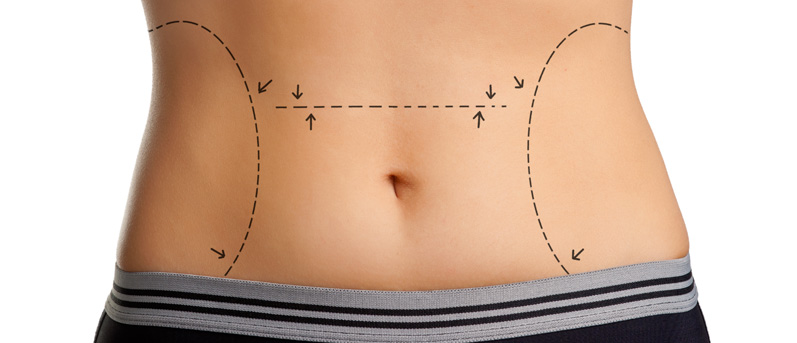
What does post-weight loss cosmetic surgery involve?
After significant weight loss, excess loose skin and residual fat remain. Surgery (body lifts, brachioplasty, thigh lift, etc.) removes this excess, improves contours, and restores a more proportionate physique.
When is it appropriate to consider this surgery?
Once weight has been stable for 6–12 months, nutritional status is good, and no further major weight changes are expected.
What areas are commonly treated?
Abdomen (body lift or tummy tuck), arms (arm lift), thighs (thigh lift), breasts (lift or reduction), back and waist, and sometimes face and neck.
What are the risks?
Wound-healing issues, seroma, infection, need for drains, significant scarring, and longer recovery. Risks are higher due to the more extensive nature of the surgery.
How should I prepare?
Optimise nutrition (protein, vitamins, iron), stop smoking, stabilise weight, treat underlying medical conditions, and set realistic goals with full awareness of scarring.
What is recovery like?
Hospital stay may be 1–3 days or more. Return to work in 2–3 weeks depending on the area and extent. Full recovery may take 3–6 months.
Will I need multiple procedures?
Often yes — due to the extent of excess skin, surgeries may be staged (e.g., abdomen first, then arms and thighs in a separate session).
Can liposuction be added?
Yes — but the surgeon must plan carefully, as skin laxity is the primary issue rather than fat alone. Liposuction is used selectively.
How much scarring should I expect?
Scars are longer and more visible than standard cosmetic surgery. They fade over time but remain. Proper scar care significantly improves their final appearance.
What are realistic expectations?
The aim is a significantly improved body contour, increased comfort, and renewed confidence — not perfection. Some irregularities may remain, and maintaining stable weight is essential for lasting results.
Book An Appointment
-
CALL NOW
-
Chandigarh Branch:
+91 98766 00600
+91 95929 29600 -
Mohali Branch:
+91 96462 26226
+91 96465 56556 - info@indiaplasticsurgery.com


Related Services

Abdominal Etching
Liposuction is commonly used to remove excess fat from the abdominal area. With more...

Abdominoplasty
A protuberant abdomen can be a cause of distress for men and women alike....

Arm Lift
Many patients wish to improve the shape of their upper arms because of having...
Brazilian Butt Lift
The BBL (Brazilian Butt Lifting) is a cosmetic procedure where with one’s own fat...

Liposuction
Dr. Kapoor's cosmetic surgery clinic offers a full range of cosmetic surgical procedures. Liposuction...

Mini-abdominoplasty
he mini-abdominoplasty surgery uses a shorter low transverse incision and is used mainly in...

Post-bariatric Surgery Cosmetic Surgery
Bariatric surgery (including gastric bypass, sleeve gastrectomy, and gastric banding) can produce extraordinary weight...
Post-weight Loss Cosmetic Surgery
Significant weight loss — whether achieved through lifestyle changes, diet, exercise, or medical intervention...


- info@indiaplasticsurgery.com
-
Chandigarh Branch:
+91 98766 00600, +91 95929 29600 -
Mohali Branch:
+91 96462 26226, +91 96465 56556